In the field of industrial assembly, screw fastening is an indispensable core process, widely used in many precision manufacturing industries such as 3C electronics, medical devices, and automotive electronics. However, metal debris is inevitably generated during the screw fastening process. This debris mainly comes from the friction between the electric screwdriver bit and the screw, as well as the extrusion deformation during thread tightening. These seemingly tiny debris particles, if not handled in a timely manner, can easily lead to product quality risks and cause unnecessary losses for enterprises. Therefore, mastering scientific and effective methods for handling metal debris from screw fastening is crucial for ensuring production efficiency and product quality.
The Hazards of Metal Debris from Screw Fastening and the Core of the Solution
Although the metal debris generated from screw fastening is small in volume, its hazards are significant: at a minimum, it can scratch product surfaces or cause thread jamming; in severe cases, it can damage precision components, affect product sealing and service life, and even cause equipment failure, hindering production progress. To address this issue, a mature solution strategy of "equipment optimization + process adjustment + routine maintenance" has been formed within the industry. Among the related products and technologies, the Danikor brand provides reliable support for many enterprises, helping them solve debris-related problems.
Effective Methods for Handling Metal Debris from Screw Fastening
Method 1: Use a Professional Screw Suction Module for Real-time Debris Cleaning
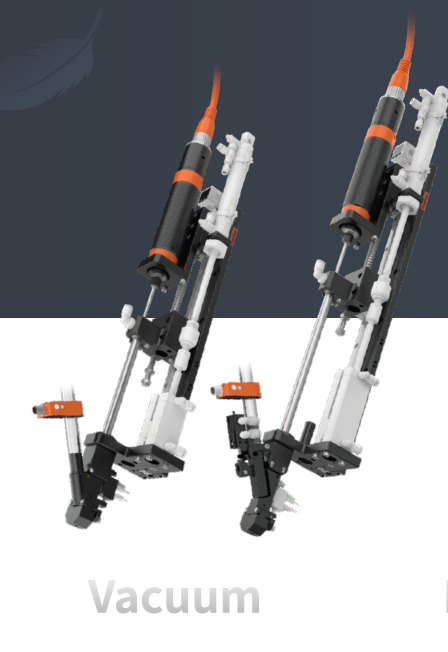
Using a professional screw suction module is a method for cleaning debris in real time during the screw fastening process. This method utilizes the vacuum adsorption function of the suction tube to simultaneously draw the generated metal debris into a collection device while the screw is being tightened, achieving an integrated "fastening + cleaning" operation. Additionally, a special opening design for the gun head can be implemented, combined with the vacuum adsorption function, to double the cleaning effect and ensure that debris does not remain on the fastening area or product surface. Danikor’s screw suction modules, relying on mature vacuum adsorption technology, are suitable for various screw fastening scenarios. They can adapt to complex working conditions such as deep holes and confined spaces, effectively avoiding equipment failures caused by debris accumulation, balancing cleanliness and operational stability.
Method 2: Optimize Fastening Process Parameters to Reduce Debris at the Source
Optimizing screw fastening process parameters to reduce the generation of metal debris at the source is a more economical solution. During the screw fastening process, excessive fastening pressure or too high a tightening speed will intensify the friction between the bit and the screw, as well as the extrusion deformation of the threads, leading to a significant increase in debris. Enterprises can accurately adjust the fastening pressure and tightening speed based on actual production conditions, combined with screw specifications, materials, and product assembly requirements, to find parameters that balance fastening strength with debris control. Leveraging years of industry experience, Danikor can provide enterprises with professional advice on process parameter optimization. Coupled with its high-precision fastening equipment, it effectively reduces the amount of debris generated while improving the consistency of screw fastening.
Method 3: Regularly Replace Worn Bits to Establish a Fundamental Safeguard
Regularly replacing worn bits is a fundamental safeguard for controlling the generation of metal debris. As the number of uses increases, electric screwdriver bits gradually become dull and worn. When a worn bit contacts the screw, the friction increases significantly, which not only tends to generate more metal debris but can also lead to screw thread stripping and decreased fastening accuracy. Therefore, enterprises should establish a comprehensive bit maintenance and replacement system, regularly replacing bits based on usage frequency and wear condition.
Scientifically Handle Debris to Fortify the Quality Defense Line for Screw Fastening
The quality of screw fastening directly relates to the overall reliability of the product, and the effective handling of metal debris is a key link in optimizing the screw fastening process. Enterprises can combine their own production needs and comprehensively apply methods such as screw suction modules, process parameter optimization, and regular bit replacement to achieve debris control. As a brand focused on precision assembly solutions, Danikor, with its advanced equipment and professional technical support, helps enterprises solve debris problems in the screw fastening process, enhance production efficiency and product quality, and provides reliable support for industrial assembly operations.